Self-Rising: The Magic Rise Behind Biscuit and Cornbread Culture
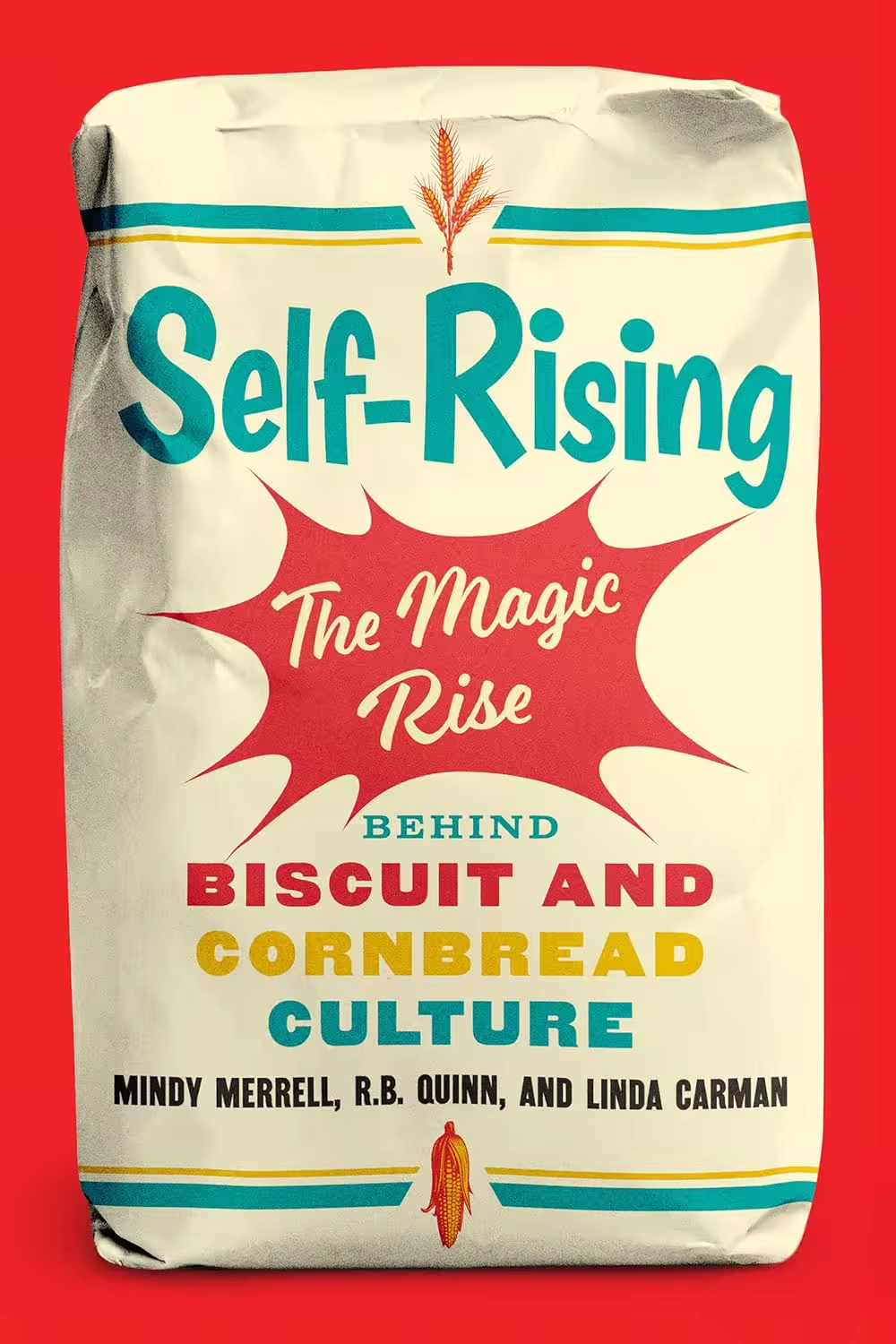
English | 2026 | ISBN: 1985903342 | 279 pages | True PDF, EPUB | 111.6 MB
Cream Biscuits
This old, old recipe made the rounds as a two-ingredient miracle because it can transform anyone into a confident biscuit baker. The self-rising flour supplies the leavening and salt. The cream supplies the fat and liquid. It's a win-win. No cutting in the fat means no flaky layers, but lots of pillowy tenderness. You can also use sour cream or full-fat buttermilk instead of the cream with good results. Add a tablespoon or two of sugar, and you'll have a very serviceable shortcake to pair with sweetened berries. Since biscuits can be made with varying levels of fat, all three of the liquids work a little differently. Here are the numbers per cup: Heavy cream has about 88 grams of fat, sour cream has 45, and full-fat buttermilk has about 8. Compare this to a biscuit recipe containing whole milk or buttermilk and cups of shortening, which is about 57 grams of fat. So, in the end, a heavy cream biscuit is even richer than the standard.
2 cups self-rising flour
1 cup heavy cream, sour cream, or full-fat buttermilk
Melted butter
Heat the oven to 450F. Place the flour in a large mixing bowl. Stir in the cream with a fork until a shaggy, soft dough forms. Add a little more liquid–cream or milk if the batter seems too dry. Place the dough on a floured pastry cloth or counter and knead gently for about 20 to 30 seconds until smooth. Press out the dough with floured fingers to a -inch to -inch thickness. Cut into rounds with a floured cutter or into squares with a floured knife. Place the biscuits on a baking sheet, in a greased cake pan, or greased iron skillet. Bake for about 12 minutes or until golden brown. Brush with melted butter. Serve warm. Makes about 12 2-inch biscuits.
Banana Bread
Bananas were the first imported fruit to become readily available year-round in the U.S., beginning in the late 1800s, just as chemical leavening was taking hold. They were imported through New Orleans and by rail to all points in the South. Of course, frugal home cooks combined the overripe ones with their preferred self-rising flour to make banana bread. The wet-into-dry method for quick loaves is the same as muffins. No waste here. Peel and store overripe bananas in the freezer for baking anytime. Beyond its economical beginning, the bread takes to all kinds of dress-up additions. Go big on the nuts. Chocolate chips are nice. Vary the spices. Wrap it up and keep it in the fridge for snacking. Butter and toast slices for a decadent treat. This recipe makes two short loaves that are easy to slice.
2 1/2 cups self-rising flour
1 cups sugar
1 teaspoon cinnamon
1 cup chopped pecans or walnuts, optional
1 1/2 cups mashed overripe bananas (3 or 4)
cup oil
2 eggs
1/4 cup milk or buttermilk
1 teaspoon vanilla
Heat the oven to 350F. Grease the bottoms of two 8-inch loaf pans. Stir together the flour, sugar, cinnamon, and any optional dry ingredients like the nuts in a large mixing bowl. Combine the bananas, oil, eggs, buttermilk, and vanilla in a separate mixing bowl and blend well. Gently stir the wet ingredients into the flour mixture just until all the flour is moistened. A few lumps are fine. Divide the batter evenly in the two loaf pans. Bake for about 40 minutes until a toothpick inserted in the middle comes out clean and the loaves are nicely browned. Cool slightly in the pan. Run a knife around the edges of the pan to loosen the loaves. Turn out onto a wire rack and cool completely before slicing. Wrap and store in the refrigerator. The loaves freeze well. Makes 2 loaves, about 8 to 10 servings per loaf.
Self-Rising: The Magic Rise Behind Biscuit and Cornbread Culture reveals how a combination of simple ingredients sparked a quiet culinary and cultural revolution. Self-rising flour and corn meal―premixed blends of flour or meal, baking powder, and salt―freed home cooks from the guesswork of from-scratch baking and transformed everyday cooking. Throughout the twentieth century, in times of poverty, segregation, and sweeping changes such as electrification, few innovations gave women more control over their time and table.
Part historical narrative and part cookbook, this flavorful account starts in Tennessee, the "self-rising capital of the world," and travels across the Southern US. The first half of the book explores how self-rising products not only helped reshape the domestic sphere but further influenced society, culture, and industry. Vitamin boosts and flour-sack fashion made self-rising products a Southern staple. Radio jingles, blues tunes, and Grand Ole Opry broadcasts spread the word. The second half of the book offers a rich collection of timeless, foolproof recipes built for modern kitchens, including chicken and dumplings, fried pickle chips, chewy brownies, apple crisp, and more. Entertaining and insightful, Self-Rising offers a story about the spirit of Southern cooks―a story of nourishment, invention, and resilience.
Quick check before we show the links
Helps us keep automated scrapers from hammering the filehosts.