Bioactive Compounds from Multifarious Natural Foods for Human Health by Jaime Pacheco
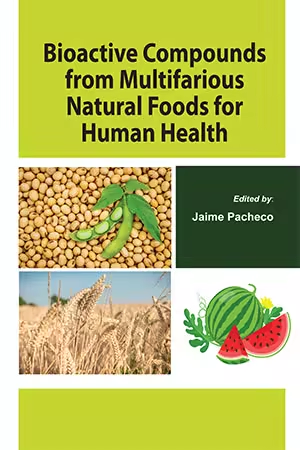
Jaime Pacheco | 2023 | ISBN: 1682508269 | English | 296 pages | True PDF | 18 MB
In the last century, solid scientific evidence has demonstrated the role of nutritional compounds in the maintenance of health. However, in the last few decades, the interest in the nutritional field has gone a step forward, searching for novel compounds with the capacity to reduce the risk of non-communicable diseases. Bioactive compounds are non-nutritional components derived from vegetable foods and beverages. In the last decades, their consumption has been related to the prevention of multiple pathologies through several mechanisms that include the reduction of oxidative stress and the inhibition or enzymatic activation or the modulation in the expression of certain genes. Bioactive compounds are defined as components of food that have an impact on physiological or cellular activities in the humans or animals that consume such compounds. They include flavonoids, anthocyanins, tannins, betalains, carotenoids, plant sterols, and glucosinolates. Such beneficial effects make them good candidates for development of new functional food with potential protective and preservative properties. Various fruits and vegetables provide a range of nutrients and different bioactive compounds including phytochemicals.
This book is intended to provide a representation of the new trends of bioactive compounds of food involved in different pathologies. Food bioactive compounds are extranutritional constituents that typically occur in small quantities in foods. In summary, numerous bioactive compounds appear to have beneficial health effects. Much scientific research needs to be conducted before we can begin to make science-based dietary recommendations. Despite this, there is sufficient evidence to recommend consuming food sources rich in bioactive compounds. From a practical perspective, this translates to recommending a diet rich in a variety of fruits, vegetables, whole grains, legumes, oils, and nuts. Therefore, the current book will be focused on identifying as well as understanding the mechanistic role of food bioactive compounds in human health.
Bioactive compounds provides health benefits beyond the basic nutritional value of the product. Particularly, it has been demonstrated that these compounds have beneficial physiological and immunological effects. Moreover, they can play an important role in the prevention of multiple pathologies. In this regard, some bioactive compounds can diminish the risk of numerous diseases, such as cancer, cardiovascular diseases, Alzheimer's, diabetes, and age-related dementia due to their antioxidant activity, whereas others stimulate defense mechanisms, thus, enhancing the response to oxidative stress, preventing widespread damage or enhancing repair. Overall, these bioactive compounds represent a promising preventive or therapeutic strategy against a number of pathological processes. This book examines bioactive compounds and their sources, structures, and potential uses in various industries, including pharmaceuticals, medicine, cosmetics, and food processing.
Quick check before we show the links
Helps us keep automated scrapers from hammering the filehosts.