ACL Injury Prevention: Screen, Analyze & Improve Movement

Published 4/2026
MP4 | Video: h264, 1920x1080 | Audio: AAC, 44.1 KHz, 2 Ch
Language: English | Duration: 33m | Size: 475.74 MB
Screen ACL risk with simple tests, spot red flags, improve movement control, and build a 15-min prevention routine
What you'll learn
Identify ACL injury risk early by spotting key movement patterns using simple video or observation
Perform 4 practical screening tests (jump, squat, hop, cut) without lab equipment
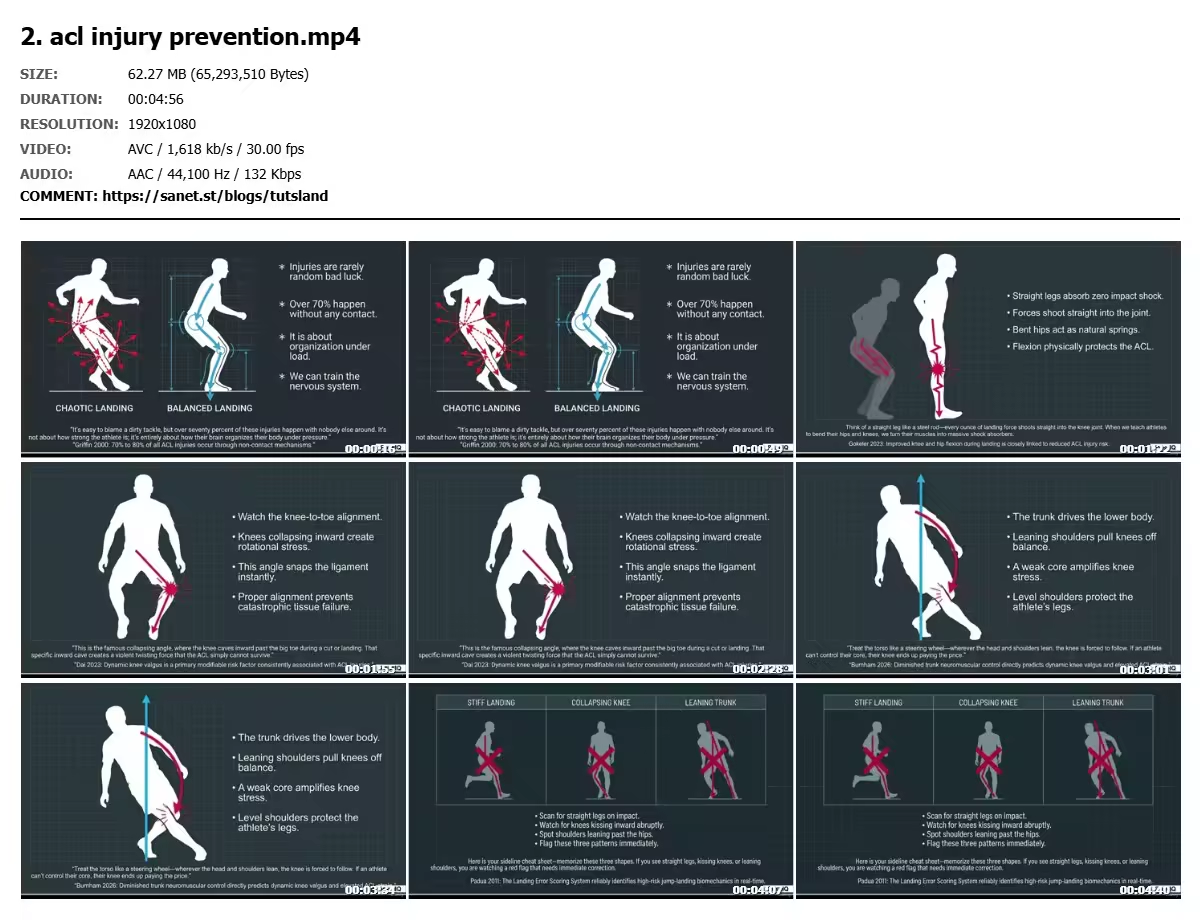
Recognize the 3 major red flags: knee collapse, stiff landing, and poor trunk control
Apply simple coaching cues that immediately improve movement and reduce injury risk
Build a 10–15 minute prevention routine that actually fits into real training sessions
Understand how control, not just strength, protects the ACL in real sport situations
Use a simple Screen, Train, Track system to turn assessment into consistent improvement
Confidently support athletes without diagnosing injuries, knowing when to refer out
Requirements
No prior medical or biomechanics background required
A smartphone or camera to record basic movement
Basic understanding of sport, coaching, or human movement (helpful but not essential)
Willingness to observe, practice, and apply simple coaching cues
Optional: Access to an athlete or training environment to practice screening
Description
Most ACL injuries don’t happen because of bad luck.
They happen because of movement patterns that go unnoticed.
In this course, you’ll learn a practical, field-based approach to identifying and reducing ACL injury risk, without the need for expensive lab equipment.
Using simple tools like a smartphone, you’ll be able to screen movement, spot key red flags, and take immediate action.
You’ll learn how to assess landing, cutting, and single-leg control using four simple tests that can be applied in any training environment. More importantly, you’ll understand what to look for, including knee alignment, trunk control, and force absorption patterns.
This course focuses on clarity and application. Instead of complex theory, you’ll get a simple system you can use immediately: Screen, Train, and Track.
You’ll also learn how to apply effective coaching cues that improve movement without overloading athletes with information.
Whether you’re a coach, physio, athlete, or student, this course will help you see movement differently, make better decisions, and reduce injury risk through consistent, practical action.
You’ll also learn how to adjust training based on what you observe, helping athletes build better control over time. This approach improves both performance and resilience without adding unnecessary complexity over time consistently.
Who this course is for
Coaches and trainers who want a simple, practical way to reduce ACL injury risk in their athletes
Physios and rehab professionals looking for a field-based screening approach they can apply quickly
Athletes who want to understand and improve how they land, cut, and control movement
Strength & conditioning professionals who want to integrate injury prevention into real training sessions
Students in sport science or physiotherapy who want a clear, applied framework beyond theory
This course is for practitioners who value simple, actionable systems over complex lab-based setups.
Quick check before we show the links
Helps us keep automated scrapers from hammering the filehosts.