Hypnotherapy Foundations: Mind Science & Clinical Techniques

MP4 | Video: h264, 1280x720 | Audio: AAC, 44.1 KHz
Language: English | Size: 817.01 MB | Duration: 1h 53m
Hypnotherapy Training: Science of Trance, Suggestion, Behavioral Change, Suggestion, and Mind Reprogramming for Success.
What you'll learn
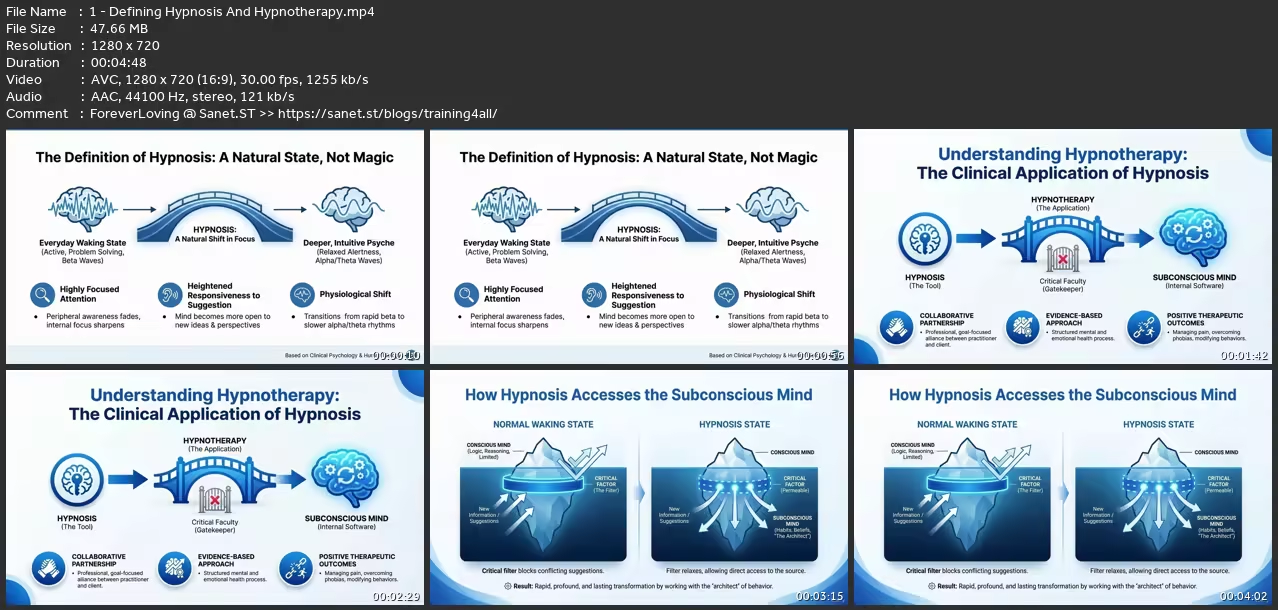
Understand the fundamental principles of hypnosis and hypnotherapy and how hypnotic states influence the human mind.
Learn the historical development of hypnosis and how modern hypnotherapy evolved.
Identify and understand common myths and misconceptions about hypnosis and how hypnosis actually works.
Understand the standard structure of a professional hypnotherapy session from beginning to end.
Learn about brain wave states such as alpha, theta, and deeper relaxation states associated with hypnosis.
Understand the psychology of suggestibility and why some individuals respond differently to hypnotic suggestions.
Explore state-dependent memory and recall mechanisms within trance states.
Understand progressive relaxation and deepening frameworks used to strengthen hypnotic states.
Learn how post-hypnotic suggestions can be structured to support behavioral change.
Explore cognitive reframing techniques used within hypnotic states.
Understand the structured process of safely ending a hypnosis session.
Explore frameworks for habit modification and behavioral change using hypnotic suggestion.
Understand psychological distraction techniques used in pain management contexts.
Learn about ethical guidelines, professional responsibilities, and scope of practice in hypnotherapy.
Requirements
No prior knowledge of hypnosis or hypnotherapy is required.
A willingness to learn theoretical concepts related to hypnosis, suggestion, and cognitive processes.
Description
This course contains the use of artificial intelligenceThis an Unofficial Course.This course provides a comprehensive and structured introduction to the science, psychology, and practical application of hypnotherapy. It is designed to help learners understand how hypnosis works, how hypnotic states are created, and how therapeutic suggestions can be used to support behavioral and cognitive change. Through a combination of theoretical knowledge and conceptual frameworks, the course explores hypnosis from both psychological and neuroscientific perspectives, allowing students to develop a clear and evidence-informed understanding of hypnotic processes.Throughout the course, students will explore the historical development of hypnotic practices and how modern hypnotherapy evolved from early experimental and therapeutic traditions. You will learn how the conscious and subconscious aspects of the mind interact during hypnotic states and how these mental processes influence perception, behavior, and emotional responses. The course also addresses common myths and misconceptions about hypnosis, providing a clear explanation of what hypnosis is, what it is not, and how it is used responsibly in professional settings.A major focus of the training is understanding the psychological and neurological foundations of trance states. Students will examine different brain wave patterns associated with relaxation and focused attention, including alpha, theta, and deeper cognitive relaxation states. The course explains how these states relate to suggestibility, memory access, and the ability to create meaningful psychological change. Learners will also study how state-dependent recall works and how hypnotic relaxation can influence cognitive processing and emotional regulation.In addition to the scientific foundations, the course introduces conceptual models for conducting a structured hypnotherapy session. Students will learn the importance of the pre-induction interview, how practitioners assess client readiness, and how a therapeutic environment is established before hypnosis begins. The course explains the fundamental stages involved in hypnotic induction and how relaxation techniques can guide individuals into deeper levels of focused attention and mental calm. Different theoretical approaches to induction are explored to help students understand how hypnotic techniques can vary depending on the practitioner’s style and the needs of the individual.The training also explores the principles behind deepening techniques that help stabilize and strengthen the hypnotic state. Learners will study conceptual strategies used to deepen relaxation and enhance responsiveness to suggestion. Understanding these mechanisms allows students to see how hypnotic processes unfold step by step within a therapeutic framework.Another important component of the course is the design and delivery of effective hypnotic suggestions. Students will learn how language structure, tone, and timing influence the way suggestions are perceived by the subconscious mind. The course explains the difference between direct and indirect suggestion models and how each approach can be used to guide cognitive and behavioral change. Students will also explore how post-hypnotic suggestions can be structured to support positive habits, motivation, and psychological resilience.The course further examines how cognitive reframing can be incorporated within hypnotic states to help shift perspectives and encourage healthier thought patterns. These conceptual tools demonstrate how hypnotic communication can assist individuals in reconsidering beliefs, habits, and emotional responses. In addition, learners will understand the structured process used to safely conclude a hypnotic session and guide individuals back to full waking awareness.Beyond theoretical understanding, the course explores several common areas where hypnotherapy frameworks are often discussed in psychological literature. These include conceptual models related to anxiety reduction, behavioral habit modification, and the management of discomfort through cognitive distraction techniques. The goal is to provide students with a broad understanding of how hypnosis may be integrated into supportive psychological approaches.Professional responsibility is also emphasized throughout the course. Students will learn about ethical considerations, professional boundaries, and the importance of practicing within appropriate scopes of knowledge and competence. Understanding ethical frameworks helps ensure that hypnotherapy concepts are applied with respect for safety, well-being, and professional integrity.By the end of the course, learners will have a strong conceptual understanding of hypnosis, the psychological mechanisms behind trance states, and the theoretical frameworks used in modern hypnotherapy. The course aims to provide a balanced blend of science, psychology, and professional awareness, making it valuable for individuals interested in mind sciences, behavioral psychology, coaching approaches, and the broader study of human cognition and suggestion.This course is ideal for learners who want to understand the principles behind hypnosis and how structured hypnotic communication can support relaxation, mental focus, and personal development within a responsible and informed framework.Thank you
Individuals interested in hypnosis, hypnotherapy, and the science of the human mind.,Students who want to learn about the psychology of trance, suggestion, and subconscious processes.,People curious about how hypnosis is used within psychological and therapeutic frameworks.,Coaches, counselors, or personal development enthusiasts who want to understand conceptual models behind hypnotherapy.,Learners interested in behavioral change, habit modification, and cognitive reframing techniques.,Anyone who wants to explore the neuroscience and psychology behind relaxation and focused attention states.,Beginners who want a structured introduction to hypnosis and hypnotherapy concepts without requiring prior experience.,This course is ideal for anyone who wants to gain a deeper understanding of hypnosis, how it works, and how it is discussed within modern psychological and therapeutic contexts.
Quick check before we show the links
Helps us keep automated scrapers from hammering the filehosts.